


포지션 상세
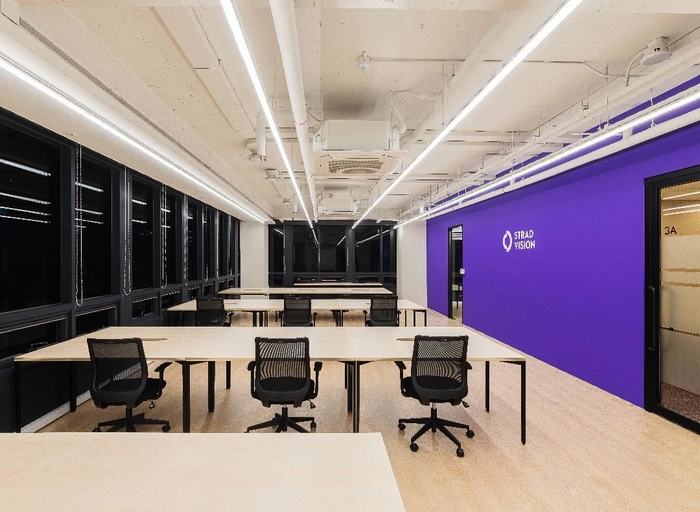
This position is with STRADVISION Seoul Office
[About STRADVISION]
We Empower Everything To Perceive Intelligently
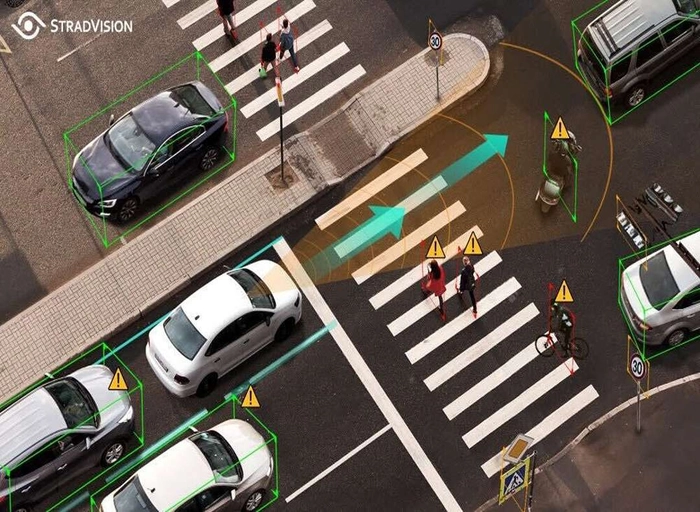
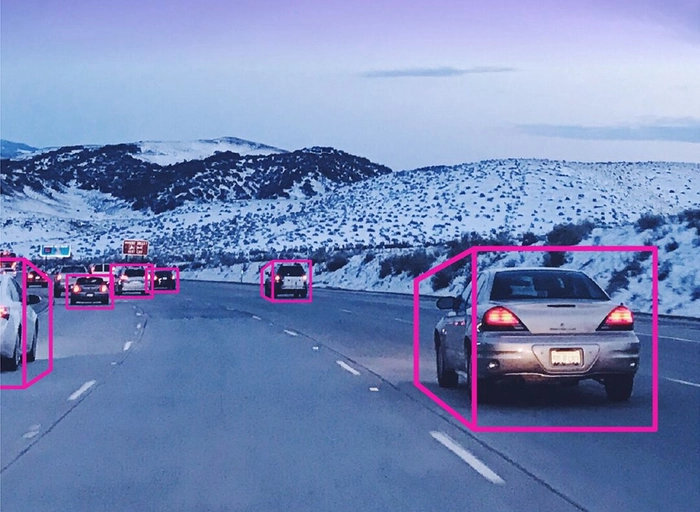
With a mission statement of “We Empower Everything To Perceive Intelligently”, STRADVISION is putting all of our effort to make better life for everyone through AI-based camera perception technology. Everyday, we focus on creating AI-based vision perception techonolgy with more than 300 members across 8 offices worldwide and we expect our software to perceive everything precisely & intelligently to make 1% difference in people’s lives. Thus, we are looking for members who would like to join our meaningful journey and face challenges that no one has done it before together at STRADVISION.
[Our Story]
• STRADVISION’s Core Technology : https://buly.kr/74XS8bi
• STRADVISION's Welfare : https://buly.kr/BpFucdd
[Our Technology]
STRADVISION's Technology : https://stradvision.com/_ENG/dh/technology
• STRADVISION is the FIRST deep-learning based technology start-up company in the world who has obtained ASPICE CL2 certification in 2019.
• STRADVISION has also been honored with the AutoSens Awards for ‘Best-in-Class Software for Perception Systems’(Gold Award Winner) for 2 years in a row(2021, 2022).
• STRADVISION’s outstanding technology was recognized worldwide by successfully completing the Series C funding at KRW 107.6 billion with Aptiv and ZF Group in August, 2022.
• About 167 patents related to autonomous driving/ADAS have been acquired in Korea, Japan, US and Europe. As of today, STRADVISION is actively developing our technology to be differentiated.
STRADVISION’s Technical Project Management Group is responsible for the successful development and delivery of AD (Autonomous Driving) and ADAS (Advanced Driver Assistance Systems) projects, serving as the bridge between engineering teams and customers. Within the organization, the Technical Project Manager acts not as a pure schedule manager, but as a hands-on technical leader who translates customer requirements into executable development plans, identifies and manages technical risks, and drives project execution from concept through vehicle-level validation and customer delivery. Specifically, the role contributes through the following objectives and responsibilities:
1. Program Planning and Customer Delivery
Define and manage the overall program scope, schedule, milestones, and deliverables to ensure successful customer delivery while meeting quality, performance, and timeline commitments.
<Technical Project Manager Role>
Review customer technical specifications and Statements of Work (SOW), define project scope and deliverables, and maintain the master program plan by integrating schedules from multiple engineering teams. You will break milestones into sub-task-level schedules across the network-optimization, annotation/data, and calibration teams, and use that bottoms-up view to judge whether the proposed release cadence is realistic. Lead customer engagements and alignment activities to ensure successful milestone execution and software delivery.
2. System Requirements Management and Cross-Functional Alignment
Ensure customer requirements are translated into executable engineering activities and maintained throughout the development lifecycle.
<Technical Project Manager Role>
Coordinate and oversee system-level requirements and traceability from customer needs to test cases. Partner with engineering leads across AI, perception, planning, and control teams to align development activities, validation strategies, and delivery objectives.
3. Technical Risk and Issue Management
Identify, assess, and proactively manage technical risks, dependencies, and blockers that may impact program execution and customer commitments.
<Technical Project Manager Role>
Identify gaps between customer expectations and engineering feasibility, manage program-level risks, and monitor schedule, KPI targets, compute budget constraints, and technical dependencies. Coordinate root-cause analysis activities for technical blockers and vehicle-level failures by facilitating collaboration across engineering teams.
4. Software Integration and System Validation
Drive software integration, vehicle-level validation, and release readiness to ensure performance and quality requirements are achieved before customer delivery.
<Technical Project Manager Role>
Coordinate software integration activities across engineering teams and monitor readiness for target ECUs/SoCs and vehicle platforms. Orchestrate each software release end to end, owning the delivery package while coordinating the supporting data strategy across logging, storage, labeling, and recalibration. Lead system-level validation planning, KPI tracking, and failure-case reviews across MIL, SIL, HIL, VIL, and real-road evaluation activities.
5. Stakeholder Management and Technical Communication
Facilitate effective communication between engineering teams, customers, and stakeholders by translating complex technical information into actionable decisions.
<Technical Project Manager Role>
Serve as the single point of contact (SPOC) for internal and external stakeholders. Lead internal weekly meetings, external joint sync meetings, and technical workshops while driving alignment, decision-making, and issue resolution throughout the program lifecycle.
6. Process Compliance and Quality Assurance
Support automotive software development processes and ensure deliverables comply with industry standards and customer expectations.
<Technical Project Manager Role>
Collaborate with safety and cybersecurity teams to support ASPICE-oriented development processes and ensure deliverables meet ISO 26262, SOTIF, and ISO/SAE 21434 requirements. Facilitate trade-off discussions involving performance, schedule, KPI targets, and compute versus safety constraints.
[Key Responsibilities]
• Program Planning and Customer Delivery
• Define the overall program scope, schedule, milestones, and deliverables in collaboration with engineering leads.
• Maintain the master plan by integrating schedules from multiple engineering teams, breaking milestones into sub-task-level schedules across the network-optimization, annotation/data, and calibration teams to evaluate release cadence realism.
• Review customer technical specifications and SOWs and align deliverable scope, ownership, and KPI definitions.
• Own end-to-end software release planning and customer delivery activities, coordinating the supporting data strategy across logging, storage, labeling, and recalibration.
• Drive milestone execution and delivery readiness across cross-functional teams.
• System Requirements Management and Cross-Functional Alignment
• Coordinate and oversee system-level requirements and traceability from customer needs to test cases.
• Partner with engineering leads to refine feature-level plans into executable milestones.
• Facilitate alignment across AI, perception, planning, and control teams to ensure successful program execution.
• Track technical dependencies and ensure cross-functional deliverables remain aligned with program objectives.
• Technical Risk and Issue Management
• Identify and proactively manage program-level risks, technical dependencies, and execution challenges.
• Monitor schedule, performance targets, KPI achievement, and compute budget constraints throughout the program lifecycle.
• Log, escalate, and coordinate resolution of technical blockers and vehicle-level failures.
• Facilitate root-cause analysis activities by coordinating logs, signals, and system health status across engineering teams.
• Drive issue resolution and risk mitigation activities with internal teams and external stakeholders.
• Software Integration and System Validation
• Coordinate software integration activities across engineering teams.
• Monitor readiness for target ECUs/SoCs and vehicle platforms.
• Coordinate system-level validation strategies and KPI tracking.
• Support MIL, SIL, HIL, VIL, real-road evaluation, and failure-case review activities.
• Ensure performance and quality requirements are met before software release and customer delivery.
• Stakeholder Management and Technical Communication
• Serve as the SPOC for customers, partners, and internal stakeholders.
• Summarize complex engineering updates into clear and actionable stakeholder communications.
• Lead internal weekly meetings, external joint sync meetings, and technical workshops.
• Drive alignment, prioritization, and decision-making across engineering teams and customers.
• Negotiate deliverable scope, release cadence, and technical expectations with customers and partners.
• Process Compliance and Quality Assurance
• Support ASPICE-oriented development processes throughout the project lifecycle.
• Collaborate with safety and cybersecurity teams to ensure compliance with ISO 26262, SOTIF, and ISO/SAE 21434.
• Facilitate technical trade-off and prioritization discussions involving performance, schedule, KPI targets, and compute versus safety constraints.
• Promote high-quality engineering execution and customer-focused delivery practices across the program.
• Bachelor’s Degree or higher in Engineering, Computer Science, Electrical Engineering, Automotive Engineering, Robotics, Control Engineering, or a related technical field.
• Minimum of 8 years of experience in technical project management, system engineering, software engineering, or automotive embedded system development (with a minimum of 3 years dedicated to the automotive industry).
• Minimum of 3 years of hands-on experience in ADAS, autonomous driving, or safety-critical embedded systems.
• Strong technical understanding of ADAS/AD system architecture, including one or more of the following: camera/radar/LiDAR sensors, AI-based perception, planning/control, vehicle interfaces (CAN/Ethernet), and automotive middleware (Linux/QNX/AUTOSAR).
• Proven experience leading cross-functional technical execution across software, algorithm, validation, safety, and product teams.
• Proficiency in English, with excellent written and verbal communication skills.
• Proven ability to bridge engineering and customers by explaining technical progress and risks at a high level.
• Strong organizational skills with the ability to manage multiple projects and timelines effectively and efficiently.
[About STRADVISION]
We Empower Everything To Perceive Intelligently
With a mission statement of “We Empower Everything To Perceive Intelligently”, STRADVISION is putting all of our effort to make better life for everyone through AI-based camera perception technology. Everyday, we focus on creating AI-based vision perception techonolgy with more than 300 members across 8 offices worldwide and we expect our software to perceive everything precisely & intelligently to make 1% difference in people’s lives. Thus, we are looking for members who would like to join our meaningful journey and face challenges that no one has done it before together at STRADVISION.
[Our Story]
• STRADVISION’s Core Technology : https://buly.kr/74XS8bi
• STRADVISION's Welfare : https://buly.kr/BpFucdd
[Our Technology]
STRADVISION's Technology : https://stradvision.com/_ENG/dh/technology
• STRADVISION is the FIRST deep-learning based technology start-up company in the world who has obtained ASPICE CL2 certification in 2019.
• STRADVISION has also been honored with the AutoSens Awards for ‘Best-in-Class Software for Perception Systems’(Gold Award Winner) for 2 years in a row(2021, 2022).
• STRADVISION’s outstanding technology was recognized worldwide by successfully completing the Series C funding at KRW 107.6 billion with Aptiv and ZF Group in August, 2022.
• About 167 patents related to autonomous driving/ADAS have been acquired in Korea, Japan, US and Europe. As of today, STRADVISION is actively developing our technology to be differentiated.
주요업무
[Mission of the Role]STRADVISION’s Technical Project Management Group is responsible for the successful development and delivery of AD (Autonomous Driving) and ADAS (Advanced Driver Assistance Systems) projects, serving as the bridge between engineering teams and customers. Within the organization, the Technical Project Manager acts not as a pure schedule manager, but as a hands-on technical leader who translates customer requirements into executable development plans, identifies and manages technical risks, and drives project execution from concept through vehicle-level validation and customer delivery. Specifically, the role contributes through the following objectives and responsibilities:
1. Program Planning and Customer Delivery
Define and manage the overall program scope, schedule, milestones, and deliverables to ensure successful customer delivery while meeting quality, performance, and timeline commitments.
<Technical Project Manager Role>
Review customer technical specifications and Statements of Work (SOW), define project scope and deliverables, and maintain the master program plan by integrating schedules from multiple engineering teams. You will break milestones into sub-task-level schedules across the network-optimization, annotation/data, and calibration teams, and use that bottoms-up view to judge whether the proposed release cadence is realistic. Lead customer engagements and alignment activities to ensure successful milestone execution and software delivery.
2. System Requirements Management and Cross-Functional Alignment
Ensure customer requirements are translated into executable engineering activities and maintained throughout the development lifecycle.
<Technical Project Manager Role>
Coordinate and oversee system-level requirements and traceability from customer needs to test cases. Partner with engineering leads across AI, perception, planning, and control teams to align development activities, validation strategies, and delivery objectives.
3. Technical Risk and Issue Management
Identify, assess, and proactively manage technical risks, dependencies, and blockers that may impact program execution and customer commitments.
<Technical Project Manager Role>
Identify gaps between customer expectations and engineering feasibility, manage program-level risks, and monitor schedule, KPI targets, compute budget constraints, and technical dependencies. Coordinate root-cause analysis activities for technical blockers and vehicle-level failures by facilitating collaboration across engineering teams.
4. Software Integration and System Validation
Drive software integration, vehicle-level validation, and release readiness to ensure performance and quality requirements are achieved before customer delivery.
<Technical Project Manager Role>
Coordinate software integration activities across engineering teams and monitor readiness for target ECUs/SoCs and vehicle platforms. Orchestrate each software release end to end, owning the delivery package while coordinating the supporting data strategy across logging, storage, labeling, and recalibration. Lead system-level validation planning, KPI tracking, and failure-case reviews across MIL, SIL, HIL, VIL, and real-road evaluation activities.
5. Stakeholder Management and Technical Communication
Facilitate effective communication between engineering teams, customers, and stakeholders by translating complex technical information into actionable decisions.
<Technical Project Manager Role>
Serve as the single point of contact (SPOC) for internal and external stakeholders. Lead internal weekly meetings, external joint sync meetings, and technical workshops while driving alignment, decision-making, and issue resolution throughout the program lifecycle.
6. Process Compliance and Quality Assurance
Support automotive software development processes and ensure deliverables comply with industry standards and customer expectations.
<Technical Project Manager Role>
Collaborate with safety and cybersecurity teams to support ASPICE-oriented development processes and ensure deliverables meet ISO 26262, SOTIF, and ISO/SAE 21434 requirements. Facilitate trade-off discussions involving performance, schedule, KPI targets, and compute versus safety constraints.
[Key Responsibilities]
• Program Planning and Customer Delivery
• Define the overall program scope, schedule, milestones, and deliverables in collaboration with engineering leads.
• Maintain the master plan by integrating schedules from multiple engineering teams, breaking milestones into sub-task-level schedules across the network-optimization, annotation/data, and calibration teams to evaluate release cadence realism.
• Review customer technical specifications and SOWs and align deliverable scope, ownership, and KPI definitions.
• Own end-to-end software release planning and customer delivery activities, coordinating the supporting data strategy across logging, storage, labeling, and recalibration.
• Drive milestone execution and delivery readiness across cross-functional teams.
• System Requirements Management and Cross-Functional Alignment
• Coordinate and oversee system-level requirements and traceability from customer needs to test cases.
• Partner with engineering leads to refine feature-level plans into executable milestones.
• Facilitate alignment across AI, perception, planning, and control teams to ensure successful program execution.
• Track technical dependencies and ensure cross-functional deliverables remain aligned with program objectives.
• Technical Risk and Issue Management
• Identify and proactively manage program-level risks, technical dependencies, and execution challenges.
• Monitor schedule, performance targets, KPI achievement, and compute budget constraints throughout the program lifecycle.
• Log, escalate, and coordinate resolution of technical blockers and vehicle-level failures.
• Facilitate root-cause analysis activities by coordinating logs, signals, and system health status across engineering teams.
• Drive issue resolution and risk mitigation activities with internal teams and external stakeholders.
• Software Integration and System Validation
• Coordinate software integration activities across engineering teams.
• Monitor readiness for target ECUs/SoCs and vehicle platforms.
• Coordinate system-level validation strategies and KPI tracking.
• Support MIL, SIL, HIL, VIL, real-road evaluation, and failure-case review activities.
• Ensure performance and quality requirements are met before software release and customer delivery.
• Stakeholder Management and Technical Communication
• Serve as the SPOC for customers, partners, and internal stakeholders.
• Summarize complex engineering updates into clear and actionable stakeholder communications.
• Lead internal weekly meetings, external joint sync meetings, and technical workshops.
• Drive alignment, prioritization, and decision-making across engineering teams and customers.
• Negotiate deliverable scope, release cadence, and technical expectations with customers and partners.
• Process Compliance and Quality Assurance
• Support ASPICE-oriented development processes throughout the project lifecycle.
• Collaborate with safety and cybersecurity teams to ensure compliance with ISO 26262, SOTIF, and ISO/SAE 21434.
• Facilitate technical trade-off and prioritization discussions involving performance, schedule, KPI targets, and compute versus safety constraints.
• Promote high-quality engineering execution and customer-focused delivery practices across the program.
자격요건
[Basic Qualifications]• Bachelor’s Degree or higher in Engineering, Computer Science, Electrical Engineering, Automotive Engineering, Robotics, Control Engineering, or a related technical field.
• Minimum of 8 years of experience in technical project management, system engineering, software engineering, or automotive embedded system development (with a minimum of 3 years dedicated to the automotive industry).
• Minimum of 3 years of hands-on experience in ADAS, autonomous driving, or safety-critical embedded systems.
• Strong technical understanding of ADAS/AD system architecture, including one or more of the following: camera/radar/LiDAR sensors, AI-based perception, planning/control, vehicle interfaces (CAN/Ethernet), and automotive middleware (Linux/QNX/AUTOSAR).
• Proven experience leading cross-functional technical execution across software, algorithm, validation, safety, and product teams.
• Proficiency in English, with excellent written and verbal communication skills.
• Proven ability to bridge engineering and customers by explaining technical progress and risks at a high level.
• Strong organizational skills with the ability to manage multiple projects and timelines effectively and efficiently.
